Table of Contents
- Tantangan Berat Indonesia di Kualifikasi Piala Dunia 2026 Zona Asia ...
- Preparatevi per i Mondiali 2026, l'edizione più caotica che la FIFA ...
- Mundial 2026: começa agora a longa corrida até à América | MAISFUTEBOL
- How I See The World In 2026. My vision through 10 personal thoughts ...
- Mondiali 2026, svelato il logo ufficiale: "We are 2026"
- How Many People Are In The World 2024 - Aloise Monika
- The Population of the World (2024) - Population and Societies - Ined ...
- Daftar 13 Negara Lolos Kualifikasi Piala Dunia 2026 Round 3 Zona Asia ...
- Negara Asia Tenggara yang Masuk Putaran Kedua Kualifikasi Piala Dunia 2026
- How I See The World In 2026. My vision through 10 personal thoughts ...



Population Growth: A Historical Perspective



Environmental Implications



Economic and Social Implications
The growing population also has significant economic and social implications. On the one hand, a larger population can provide a substantial workforce, driving economic growth and innovation. On the other hand, it can lead to increased competition for jobs, resources, and services, potentially exacerbating poverty, inequality, and social unrest. Additionally, the pressure on urban infrastructure, housing, and public services can result in overcrowding, poor living conditions, and decreased quality of life.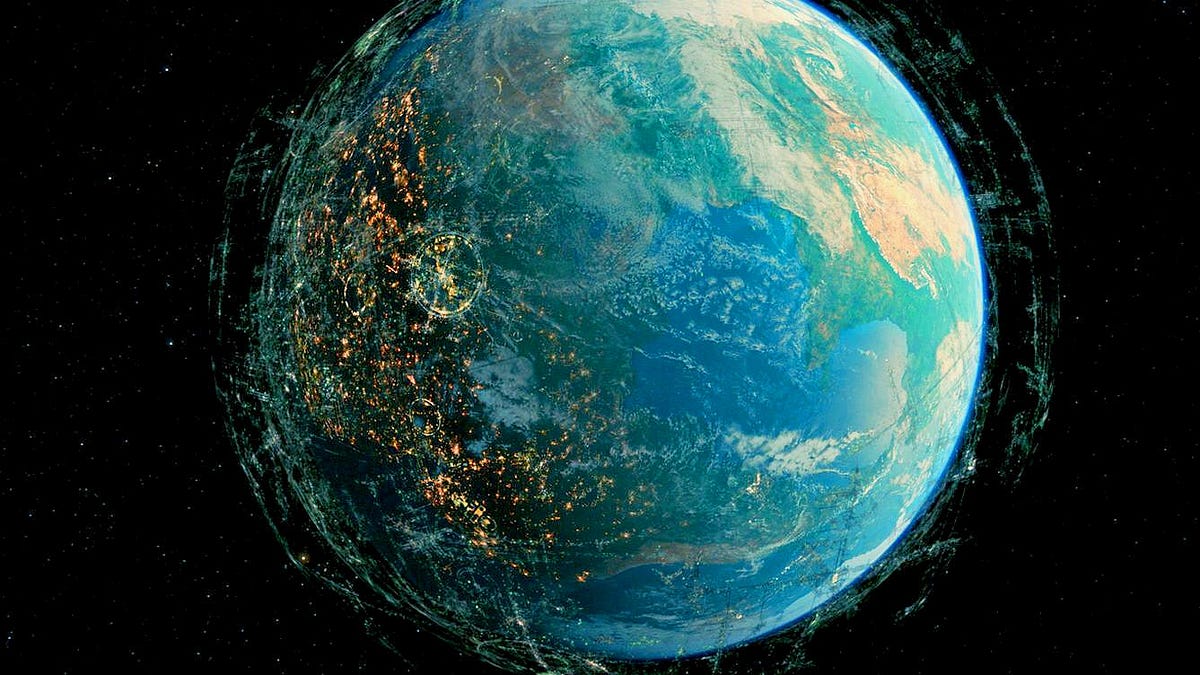
Addressing the Challenges of Population Growth
To mitigate the negative effects of population growth, it is essential to adopt sustainable development strategies that balance economic, social, and environmental needs. Governments, organizations, and individuals must work together to implement policies and practices that promote resource efficiency, reduce waste, and protect the environment. Investing in education, family planning, and reproductive health can also help slow down population growth rates, while improving the overall well-being of individuals and communities. The current world population of 8,005,176,000 people is a significant milestone that requires attention and action. As we move forward, it is crucial to acknowledge the challenges and opportunities presented by this growing population. By understanding the implications of population growth and working together to address them, we can create a more sustainable, equitable, and prosperous future for all. As we strive to meet the needs of a rapidly expanding global community, we must prioritize the health of our planet and the well-being of its inhabitants, ensuring that the world's population continues to thrive for generations to come.Keyword density: current world population (1.5%), population growth (1.2%), environment (1%), economy (0.8%), society (0.8%)